

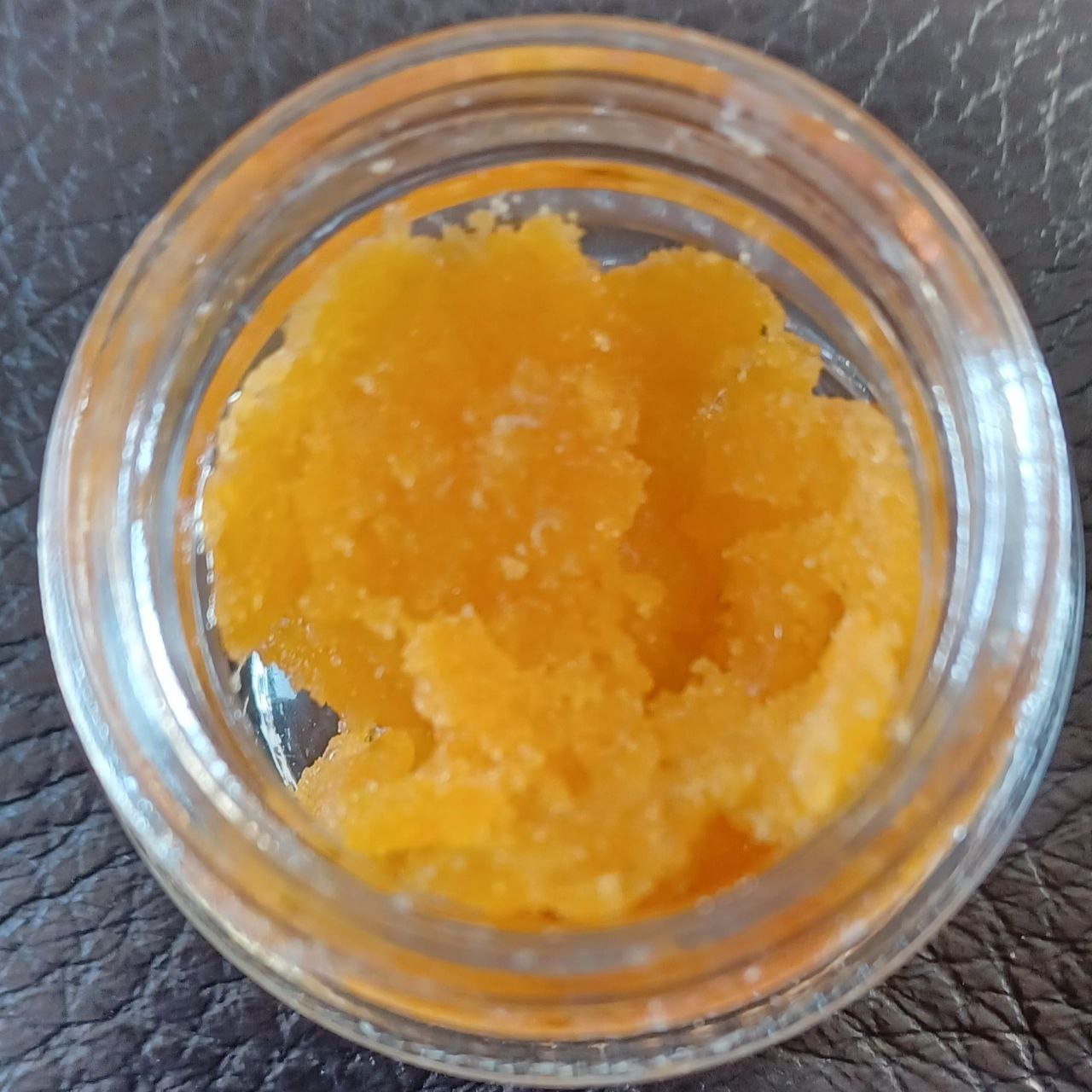
The cannabis industry has introduced thousands of unique strain names over the years. Whether you’ve come across terms such as Yellow Zkittlez strain, Candy Popz strain, Zoapscotti strain, Lemon Cherry Guava strain, or Popping Candy strain, you may wonder how these names are created and what they actually represent.
While strain names often reflect aroma, flavour, appearance, or lineage, they don’t always provide a complete picture of the plant’s genetics or characteristics. Understanding how cannabis strains are named can help consumers better interpret product descriptions and make more informed decisions.
Why Do Cannabis Strains Have Unique Names?
Cannabis breeders create new cultivars by crossing existing genetics to develop plants with unique combinations of characteristics. After stabilizing a new cultivar, breeders often assign a memorable name based on one or more of the following:
- Fruity or sweet aromas
- Distinct terpene profiles
- Colourful appearance
- Parent genetics
- Creative branding
Modern strain names frequently reference candy, desserts, tropical fruits, beverages, or desserts because these descriptions often relate to aroma rather than actual ingredients.
What Does “Yellow Zkittlez Strain” Mean?
The Yellow Zkittlez strain is an example of modern cannabis naming that combines colour with a well-known genetic family.
Generally, names containing “Zkittlez” often suggest genetics associated with fruity or candy-like aromatic profiles. However, individual cultivars carrying similar names may differ depending on the breeder, cultivation practices, and regional market.
Rather than assuming every Yellow Zkittlez product shares identical characteristics, consumers should always review available product information, including terpene analysis where available.
Understanding the Yellow Skittles Strain
Many people search for Yellow Skittles strain, although spelling variations such as Yellow Zkittlez strain are also common.
These naming differences often arise because breeders or producers use slightly different branding while referring to similar genetic families or flavour-inspired concepts.
As a result, two products with similar names may still vary in:
- Aroma
- Appearance
- Cannabinoid content
- Terpene composition
- Growing characteristics
Always rely on verified product information instead of the name alone.
What Is the Candy Popz Strain?
The Candy Popz strain follows a popular naming trend inspired by sweet confectionery flavours.
Names including “Candy” generally suggest aromatic profiles that may include notes commonly described as:
- Sweet
- Fruity
- Citrus
- Tropical
- Sugary
These descriptions are usually linked to terpene combinations rather than the presence of actual candy ingredients.
What Is the Popping Candy Strain?
The Popping Candy strain is another example of descriptive cannabis branding.
Like many modern cultivars, the name evokes a flavour profile associated with sweetness and fruit-inspired aromas. However, cannabis strain names should be viewed as identifiers rather than scientific descriptions.
Environmental conditions, cultivation methods, harvesting techniques, and curing practices all contribute to the final characteristics of the flower.
Understanding the Zoapscotti Strain
The Zoapscotti strain appears to combine elements from multiple modern genetic families.
Cannabis breeders frequently create new names by blending references to parent cultivars or combining flavour-inspired branding.
Names like Zoapscotti often indicate modern hybrid breeding programmes focused on developing distinctive terpene profiles and unique aromatic characteristics.
As with all cannabis cultivars, the exact lineage may vary between breeders.
What Is the Lemon Cherry Guava Strain?
The Lemon Cherry Guava strain demonstrates another common naming convention based on fruit aromas.
Rather than indicating the plant contains these fruits, the name usually reflects aromatic descriptors commonly associated with certain terpene combinations.
These may include notes described as:
- Citrus
- Sweet fruit
- Tropical fruit
- Cherry
- Floral
- Creamy
Actual sensory experiences may vary between batches due to cultivation and curing practices.
Why Similar Strain Names Can Be Different
Unlike many agricultural crops, cannabis strain names are not always standardised worldwide.
Different breeders may release cultivars with similar names while using different genetics. Likewise, regional spelling variations can occur, making it important to review available information beyond the product name.
Factors that influence the final characteristics include:
- Genetics
- Cultivation environment
- Lighting
- Nutrient programme
- Harvest timing
- Drying and curing methods
Understanding Terpenes
Many modern strain names reference flavours because aroma plays a significant role in cannabis identification.
Terpenes are naturally occurring aromatic compounds found in many plants, including cannabis.
Common terpene descriptions include:
| Terpene | Common Aroma |
|---|---|
| Myrcene | Earthy, herbal |
| Limonene | Citrus |
| Caryophyllene | Peppery, spicy |
| Pinene | Pine |
| Linalool | Floral |
| Humulene | Woody |
The combination of terpenes contributes to each cultivar’s distinctive aroma profile.
Frequently Asked Questions
Are cannabis strain names standardised?
No. Different breeders may use similar or identical names for different cultivars.
Does the strain name guarantee flavour?
Not necessarily. Names often describe expected aromatic characteristics but actual profiles depend on genetics and cultivation.
Why are so many strain names based on sweets or fruit?
Sweet and fruit-inspired names help describe aroma and terpene profiles in an accessible way.
Can two Yellow Zkittlez strains be different?
Yes. Products carrying the same or similar names may vary between breeders and producers.
What should consumers look for besides the name?
Reliable information includes cannabinoid content, terpene analysis, cultivation details, and independent laboratory testing where available.
Final Thoughts
Modern cannabis strain names such as Yellow Zkittlez strain, Yellow Skittles strain, Candy Popz strain, Popping Candy strain, Zoapscotti strain, and Lemon Cherry Guava strain have become popular because they offer memorable ways to describe a cultivar’s identity. However, names alone do not fully define a strain’s genetics or characteristics.
By understanding how strain names are developed and recognising the role of genetics, terpene profiles, and cultivation methods, consumers can better interpret product information and appreciate the diversity of modern cannabis breeding.