

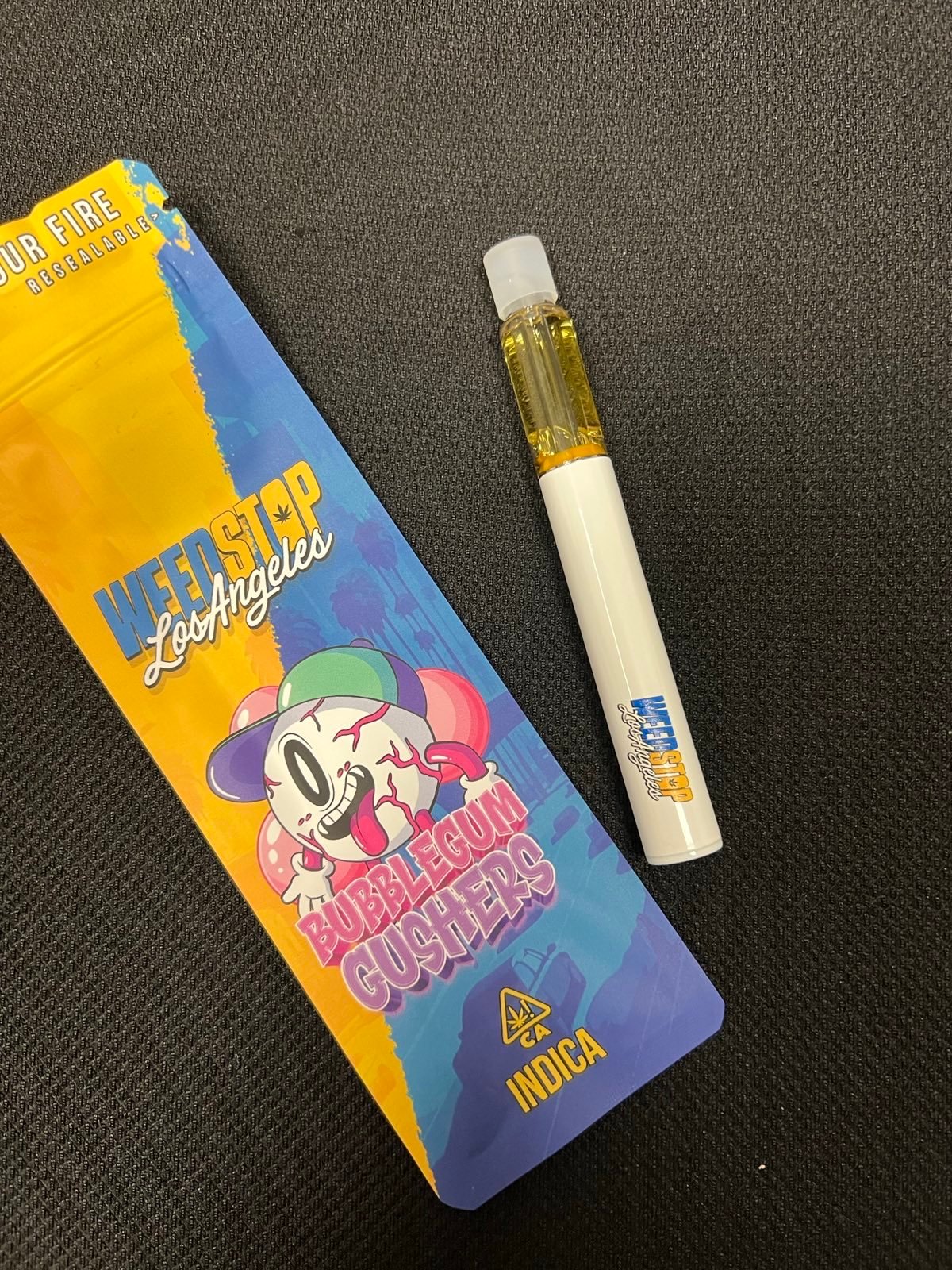
The remarkable diversity of modern cannabis cultivars is the result of decades of selective breeding and careful cultivation. While names such as Popping Candy strain, Yellow Skittles strain, Yellow Zkittlez strain, Candy Popz strain, Zoapscotti strain, and Lemon Cherry Guava strain often hint at distinctive aromas or flavours, the underlying science lies in the plant’s genetics and terpene profile.
Understanding how genetics influence aroma and terpene production can help consumers better appreciate why two cultivars may smell completely different—even if they appear similar at first glance.
What Are Cannabis Genetics?
Cannabis genetics refer to the inherited characteristics passed from parent plants to their offspring. These genetic traits influence many aspects of plant development, including:
- Growth structure
- Leaf shape
- Flower density
- Colouration
- Resin production
- Cannabinoid content
- Terpene production
Breeders selectively cross plants with desirable traits to create new cultivars that combine unique aromas, appearances, and growth characteristics.
What Are Terpenes?
Terpenes are naturally occurring aromatic compounds found throughout the plant kingdom. They contribute to the distinctive scents of many fruits, herbs, flowers, and spices—including cannabis.
While cannabinoids such as THC and CBD are often discussed, terpenes play an important role in shaping each cultivar’s aroma profile.
Common terpene aromas include:
| Terpene | Common Aroma |
|---|---|
| Myrcene | Earthy, herbal, musky |
| Limonene | Citrus, lemon |
| Caryophyllene | Peppery, spicy |
| Pinene | Pine, fresh forest |
| Linalool | Floral, lavender |
| Humulene | Woody, herbal |
| Terpinolene | Sweet, floral, fruity |
Each cultivar contains its own combination of terpenes, creating its unique aromatic identity.
How Genetics Affect Terpene Production
Genetics determine which enzymes a cannabis plant can produce. Those enzymes influence which terpenes are synthesized as the plant grows and matures.
Different genetic lineages may naturally produce higher levels of certain terpenes, resulting in aromas commonly described as:
- Sweet
- Tropical
- Citrus
- Floral
- Earthy
- Fuel-like
- Herbal
- Creamy
However, genetics establish the plant’s potential—not its final outcome.
Genetics Are Only Part of the Story
Even genetically identical plants can develop slightly different terpene profiles depending on environmental conditions.
Several cultivation factors influence the final aroma:
Lighting
Light intensity and spectrum affect plant development throughout flowering.
Temperature
Excessive heat may reduce the concentration of volatile aromatic compounds during cultivation and post-harvest handling.
Humidity
Maintaining appropriate humidity supports healthy flower development and proper drying.
Nutrition
Balanced nutrients help support healthy plant growth throughout the cultivation cycle.
Harvest Timing
Harvesting too early or too late may affect the expression of aromatic compounds.
Drying and Curing
Proper drying and curing help preserve terpenes, contributing to the final aroma profile.
Why Similar Strains Can Smell Different
Consumers are often surprised that two products with the same or similar strain name can have noticeable differences in aroma.
This may happen because:
- Different breeders use different parent genetics.
- Environmental conditions vary between growers.
- Cultivation methods differ.
- Drying and curing techniques influence the finished flower.
- Similar names may represent distinct cultivars in different markets.
For these reasons, the strain name alone doesn’t guarantee an identical sensory experience.
Examples of Modern Strain Naming
Many contemporary cannabis cultivars use descriptive names inspired by fruit, sweets, or desserts. These names generally reflect aromatic themes rather than ingredients.
Examples include:
Popping Candy Strain
The name suggests a sweet, confectionery-inspired aroma. As with any cultivar, the exact terpene profile depends on the specific genetics and cultivation practices.
Yellow Skittles Strain
This name is commonly associated with fruit-inspired aromatic descriptions. Similar naming conventions may vary between breeders.
Yellow Zkittlez Strain
Often linked to the broader “Zkittlez” family of cultivars, this naming style reflects fruity aromatic characteristics rather than a standardized genetic profile.
Candy Popz Strain
Names featuring “Candy” typically indicate sweet or fruit-forward aromatic descriptions, although individual terpene profiles differ by cultivar.
Zoapscotti Strain
This modern name combines branding elements that may reference parent genetics or aromatic inspiration. Different breeders may use similar names for distinct cultivars.
Lemon Cherry Guava Strain
Fruit-inspired names like this are intended to describe aroma rather than ingredients. Depending on the cultivar, aromatic notes may include citrus, tropical fruit, cherry, or floral characteristics.
The Importance of Terpene Diversity
Terpenes contribute to the wide variety of aromas found in cannabis cultivars. A plant rarely contains just one terpene—instead, each cultivar has a unique blend.
For example:
- High limonene content may contribute to citrus-like aromas.
- Myrcene is often associated with earthy or herbal notes.
- Pinene can produce fresh pine aromas.
- Linalool is commonly linked to floral characteristics.
- Caryophyllene may provide peppery or spicy notes.
The interaction of multiple terpenes creates the complex aromatic profiles that distinguish one cultivar from another.
Choosing Products Beyond the Name
While creative strain names can be memorable, they’re only one part of the picture.
When available, consumers should also consider:
- Laboratory testing results
- Cannabinoid content
- Terpene analysis
- Cultivation methods
- Product freshness
- Producer transparency
Looking beyond the name provides a more complete understanding of a product’s characteristics.
Frequently Asked Questions
Do genetics determine aroma?
Genetics provide the blueprint for terpene production, but environmental conditions and post-harvest practices also influence the final aroma.
Are strain names scientifically standardized?
No. Similar names may be used by different breeders for cultivars with different genetic backgrounds.
Why do many strains have fruit or candy names?
These names often describe perceived aromatic characteristics rather than ingredients or flavour additives.
Can cultivation affect terpene profiles?
Yes. Factors such as lighting, temperature, nutrition, harvest timing, and curing all contribute to terpene expression.
Is the same strain always identical?
Not necessarily. Variations in genetics, cultivation, and processing can result in differences between products with similar names.
Conclusion
Cannabis genetics lay the foundation for each cultivar’s unique characteristics, while terpenes contribute to the diverse aromas that distinguish one strain from another. Although names such as Popping Candy strain, Yellow Skittles strain, Yellow Zkittlez strain, Candy Popz strain, Zoapscotti strain, and Lemon Cherry Guava strain have become familiar within the industry, they should be viewed as descriptive identifiers rather than guarantees of a specific profile.
For consumers seeking a deeper understanding of cannabis, combining knowledge of genetics, terpene profiles, cultivation methods, and laboratory information offers a more informed way to evaluate and appreciate the diversity of modern cannabis cultivars.