

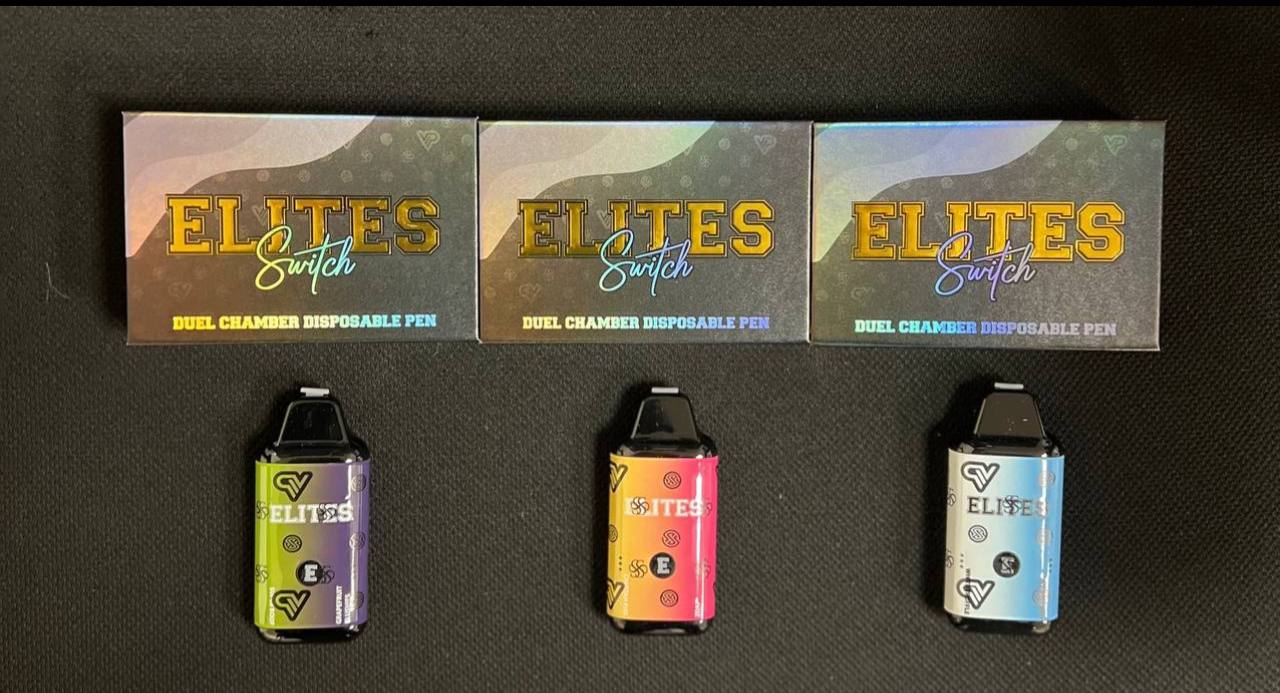
Cannabis naming continues to evolve, with new cultivar names appearing alongside established genetics and brand identities.
The Plum Popperz strain, Jungle Boys varieties, Candy Lemonz and Candy Pop are examples of terms people encounter when researching modern cannabis culture.
However, a name does not automatically verify a cultivar’s genetics, aroma, cannabinoid concentration or terpene profile. Understanding the terminology helps readers distinguish descriptive branding from documented information.
This guide explores these names and explains what to look for when evaluating cannabis strain descriptions.
What Is the Plum Popperz Strain?
The Plum Popperz strain is an example of modern cannabis naming that combines a fruit reference with a distinctive, stylized name.
The word “Plum” may suggest a fruit-inspired identity. However, it does not prove that a particular sample has a plum-like aroma or contains a specific combination of aromatic compounds.
Similarly, “Popperz” reflects a creative naming style rather than a standardized scientific classification.
Understanding Plum Popperz terminology
Cannabis names can refer to several different things, including:
- A cultivar’s documented genetic lineage
- An aroma or appearance description
- A breeder’s chosen name
- A brand or product identity
- An informal name used in online discussions
These categories are not interchangeable. A product description should make clear which information is documented and which is descriptive.
What should readers verify?
When researching Plum Popperz, look for a credible source identifying the cultivar and its stated genetics.
Where available, relevant laboratory reports can provide information about the tested sample’s cannabinoid and terpene composition.
Neither the name nor a general product description can independently establish those characteristics.
Understanding Jungle Boys Strains
Jungle Boys is a name associated with cannabis branding and cultivation culture. The phrase “Jungle Boys strains” can refer to multiple cultivar names rather than one specific variety.
As with other brand-associated terminology, it is important to distinguish information from an official source from claims repeated by unrelated websites.
Information worth comparing
When researching a particular cultivar associated with a brand, consider these details:
| Detail | What it helps establish |
|---|---|
| Cultivar name | Identifies the variety being discussed |
| Genetic lineage | Documents the claimed parent cultivars |
| Cannabinoid profile | Describes measured cannabinoid content |
| Terpene profile | Identifies measured aromatic compounds |
| Cultivation information | Provides context about growing conditions |
| Laboratory documentation | Helps verify results for a particular sample |
Not every source will provide all these details. If information is missing, it is better to acknowledge the uncertainty than to assume the claims are verified.
Candy Lemonz Strain: Understanding Candy-Inspired Names
Candy Lemonz is an example of a name combining confectionery and citrus references.
The word “Candy” suggests a sweet theme, while “Lemonz” evokes citrus. These associations may influence how a cultivar is described, but they do not confirm its actual aroma or chemical composition.
Why are candy-inspired names common?
Fruit and dessert references are memorable and easy to recognize. They are frequently used to communicate a product’s identity in cannabis-related discussions.
Nevertheless, two cultivars with similar names may have different genetic backgrounds. A shared naming theme is not proof of shared parentage.
The role of terpenes
Terpenes are naturally occurring compounds that contribute to the aromas of many plants, including cannabis.
Commonly discussed cannabis terpenes include:
- Limonene: commonly associated with citrus-like aromas
- Myrcene: often described as earthy or musky
- Caryophyllene: associated with peppery or spicy notes
- Pinene: commonly associated with pine-like aromas
- Linalool: often described as floral
These are general aroma associations, not a verified profile for Candy Lemonz or any other named cultivar.
Laboratory analysis is needed to establish which compounds were measured in a particular sample.
Understanding the Candy Pop Strain Name
Candy Pop is another example of confectionery-inspired cannabis terminology.
The name communicates a particular branding theme, but it does not independently establish a cultivar’s lineage or distinguish it from other similarly named products.
When researching Candy Pop, check whether the source identifies a breeder, documents the genetic background or provides relevant testing information.
It is also important to check the exact spelling and source of the name. Similar names can sometimes be used inconsistently across online listings.
Plum Popperz vs Candy Lemonz vs Candy Pop
These names demonstrate how fruit and confectionery references appear in modern cannabis culture.
| Name | Naming association | Information to verify |
|---|---|---|
| Plum Popperz | Fruit-inspired branding | Genetic lineage and terpene results |
| Candy Lemonz | Candy and citrus references | Cultivar identification and laboratory data |
| Candy Pop | Confectionery-inspired branding | Source, genetics and product documentation |
| Jungle Boys varieties | Brand and cultivation identity | Specific cultivar and reliable source information |
The names provide a starting point for research, not a complete scientific description.
For meaningful comparisons, use consistent information from identifiable sources. Laboratory results should also correspond to the specific sample being discussed.
What Does a Cannabis Strain Name Actually Tell You?
A strain name can help identify how a cultivar is described, but the name alone cannot confirm its genetic identity or chemical composition.
Modern cannabis research increasingly examines cannabinoids and terpenes alongside traditional labels such as indica, sativa and hybrid.
These labels can provide historical or general context. However, they should not be treated as precise predictions of a product’s chemistry or the effects an individual might experience.
Genetics and chemical composition are different
Genetic lineage describes a cultivar’s reported ancestry. Chemical analysis describes the compounds measured in a particular sample.
Both can be relevant, but one does not automatically establish the other. Growing conditions, phenotype and other factors can contribute to variation between samples.
Why laboratory information matters
Where reliable testing is available, it can provide more specific information than a name or marketing description.
Readers should check the sample identification, testing date and reported measurements when reviewing a laboratory document.
A report should not be assumed to apply to every product sold under the same name.
How to Evaluate Cannabis Strain Information
A few simple checks can help readers assess online descriptions more carefully.
1. Identify the source. Determine whether the information comes from a breeder, brand, laboratory or third-party website.
2. Check genetic claims. Look for documented parentage instead of relying on a cultivar name alone.
3. Review chemical information. Where available, examine relevant cannabinoid and terpene results.
4. Distinguish facts from descriptions. Words such as “sweet,” “fruity” and “premium” may be descriptive or promotional rather than independently verified measurements.
5. Acknowledge uncertainty. If reliable documentation is unavailable, avoid presenting genetic or chemical claims as established facts.
Frequently Asked Questions
What is the Plum Popperz strain?
Plum Popperz is a cannabis-related cultivar name. The name suggests a fruit-inspired identity, but its genetics and chemical profile require independent supporting information.
What does Jungle Boys strains mean?
The phrase can refer to multiple cultivar names associated with Jungle Boys and its cannabis culture. Research should focus on the specific cultivar and the reliability of the source.
What is the Candy Lemonz strain?
Candy Lemonz is a candy- and citrus-inspired name. The name alone cannot confirm its genetic background, aroma or terpene composition.
Is Candy Pop the same as Candy Lemonz?
Their similar confectionery-inspired naming does not establish that they are the same cultivar. Reliable identification and genetic documentation are needed to determine whether they are related.
Can terpenes confirm a strain’s identity?
No. Terpene measurements can describe the chemical profile of a sample, but they do not independently prove its genetic identity.
Why should cannabis strain descriptions be verified?
Verification helps separate documented information from assumptions and marketing language. This is especially important when descriptions make claims about genetics, chemical composition or safety.
Conclusion
Plum Popperz, Jungle Boys varieties, Candy Lemonz and Candy Pop illustrate the diverse naming conventions found in modern cannabis culture.
Their names can provide context, but they should not be treated as definitive evidence of genetics, aroma or chemical composition.
For a clearer understanding of any named cultivar, look beyond branding. Reliable sourcing, documented genetic information and relevant laboratory results provide a stronger foundation for evaluating cannabis-related claims.