

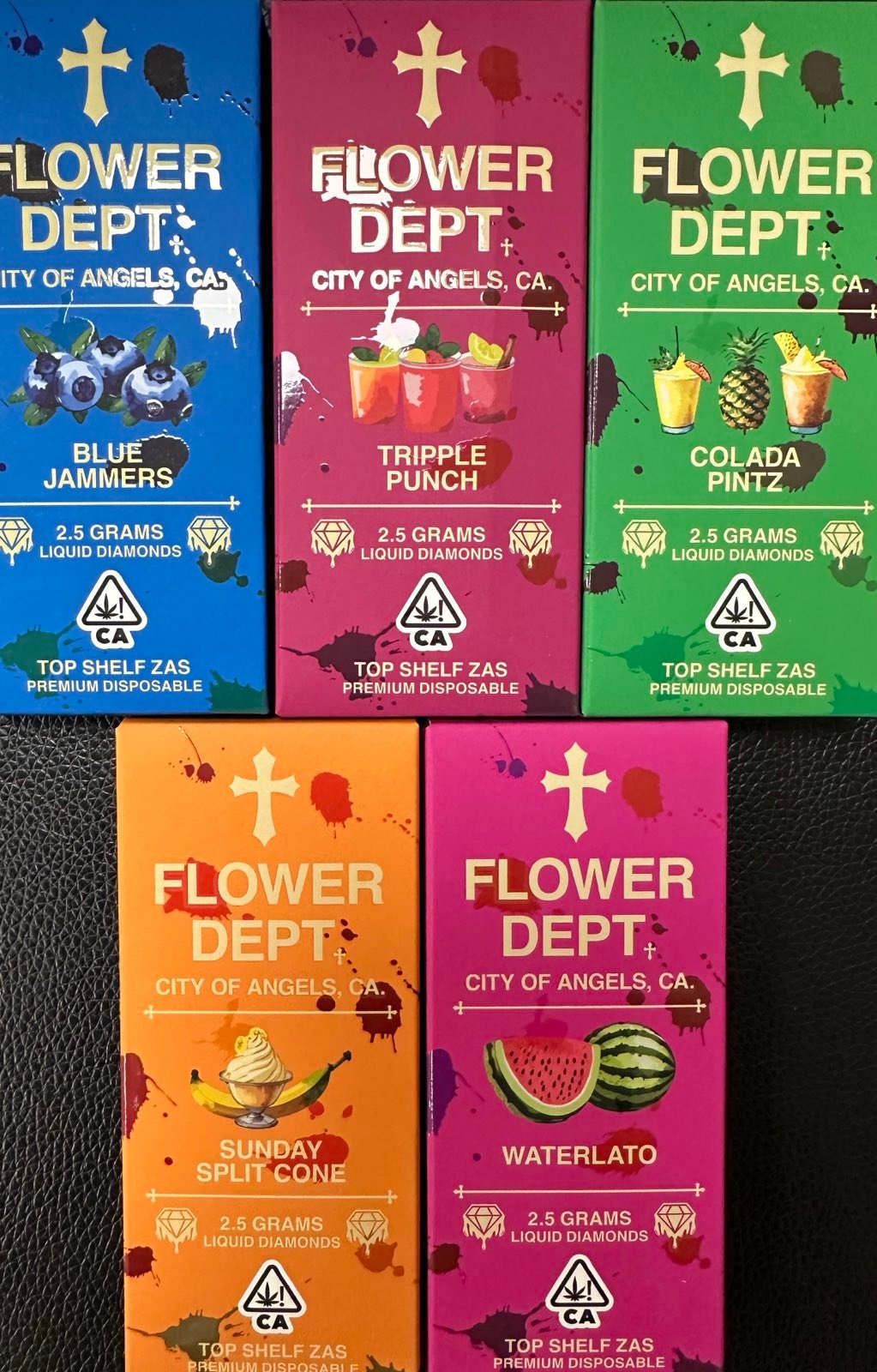
Modern cannabis culture is filled with distinctive names.
Bali Gumdrop, Zoapscotti, Yellow Zkittlez, Tokyo Gumdrop, and Popping Candy are examples of names that combine references to fruit, sweets, places, genetics and established cannabis culture.
But what can you actually learn from a strain name?
The answer is more complicated than it might initially appear.
What Is Bali Gumdrop?
The Bali Gumdrop strain is a modern cannabis name combining a geographical reference with a candy-inspired term.
“Gumdrop” immediately creates an association with sweet confectionery and colourful flavours.
However, the name itself does not establish a specific terpene or cannabinoid profile.
For accurate information, enthusiasts should look for the stated genetics and laboratory information associated with the particular cultivar.
This distinction is important because cannabis names can sometimes be used differently by different growers or sellers.
Zoapscotti Strain Explained
The Zoapscotti strain is another example of modern cannabis naming that combines recognisable genetic or cultivar references.
Names such as Zoapscotti are particularly interesting because they can point enthusiasts toward a specific genetic lineage.
When researching a Zoapscotti strain, consider:
- Parent genetics
- Breeder information
- Cannabinoid profile
- Terpene composition
- Flower characteristics
- Laboratory testing
- Cultivation information
Genetics provide the underlying blueprint of a cannabis plant, while environmental conditions can influence how those genetics are expressed.
Yellow Zkittlez Strain and Yellow Skittles Strain Searches
Yellow Zkittlez strain and Yellow Skittles strain are closely related search phrases.
They demonstrate how spelling variations can develop around cannabis strain names.
When researching these terms, it is useful to distinguish between:
Official cultivar name
and
Common search variation
This matters for SEO as well as accuracy.
If people search for both “Yellow Zkittlez strain” and “Yellow Skittles strain,” a well-structured educational article can naturally address both phrases without unnecessarily repeating them.
Tokyo Gumdrop Strain
The Tokyo Gumdrop strain is another example of a name that combines a location-inspired reference with a sweet, candy-oriented description.
Search interest around names such as Tokyo Gumdrop demonstrates how modern cannabis branding frequently uses memorable combinations.
However, the name should not be used as proof of a particular effect or chemical profile.
The best information comes from the cultivar’s documented genetics and testing.
What Does “Candy” Mean in Cannabis Strain Names?
Searches such as:
- Candy Pop strain
- Candy Lemonz strain
- Popping Candy strain
- Candy Poppers strain
- Bali Gumdrop strain
- Tokyo Gumdrop strain
show how common sweet-inspired naming has become.
Words such as Candy, Pop, Gumdrop, and Lemonz can create expectations around aroma or flavour.
Terpenes are one reason these associations can be meaningful.
For example, limonene is commonly associated with citrus aromas, while other terpenes can contribute floral, herbal, pine, peppery or fruity characteristics.
Still, the actual terpene profile needs to be verified rather than inferred purely from the name.
Why Terpenes Matter
Terpenes are aromatic compounds found in cannabis and many other plants.
They contribute significantly to the smell and flavour associated with different cannabis varieties. Leafly
Common cannabis terpenes include:
Limonene
Often associated with citrus aromas.
Myrcene
Commonly associated with earthy and herbal aromas.
Pinene
Associated with pine-like aromas.
Caryophyllene
Often described as having a peppery character.
Linalool
Associated with floral aromas.
The combination and concentration of these compounds can help create the distinctive aromatic character of individual varieties.
Why Strain Names Can Be Confusing
One of the biggest mistakes when researching cannabis is assuming that a name tells you everything.
A name does not necessarily establish:
- Exact genetics
- THC concentration
- CBD concentration
- Terpene concentration
- Cultivation method
- Expected effects
Two products carrying similar names may not necessarily have identical chemical profiles.
This is why reliable product information and laboratory testing are valuable when available.
Bali Gumdrop, Zoapscotti and Yellow Zkittlez: What to Compare
If you’re researching these varieties, create a simple comparison based on verified information:
| Factor | Why it matters |
|---|---|
| Genetics | Helps identify lineage |
| Cannabinoids | Shows THC/CBD and other cannabinoids |
| Terpenes | Helps explain aroma and flavour |
| Appearance | Provides visual characteristics |
| Lab results | Helps verify composition |
| Breeder information | Provides genetic context |
This approach is more useful than relying exclusively on marketing descriptions.
Final Thoughts
The popularity of Bali Gumdrop, Zoapscotti strain, Yellow Zkittlez strain, Yellow Skittles strain, Tokyo Gumdrop strain, and Popping Candy strain demonstrates how creative cannabis naming has become.
For enthusiasts and researchers, the most useful approach is to look beyond the name.
Understanding genetics, cannabinoids and terpenes provides a more informative picture of a cannabis variety and helps separate memorable branding from verifiable characteristics.
For SEO, these two articles also give Flower Lounge UK opportunities to naturally target the exact search variations appearing in your Google Search Console screenshots without keyword stuffing.
SEO tip: Link the relevant phrases naturally between these articles and your existing educational/strain pages. For example, the first article can link to the second using descriptive anchor text such as “guide to Bali Gumdrop and modern cannabis strains” rather than generic anchors like “click here.”