

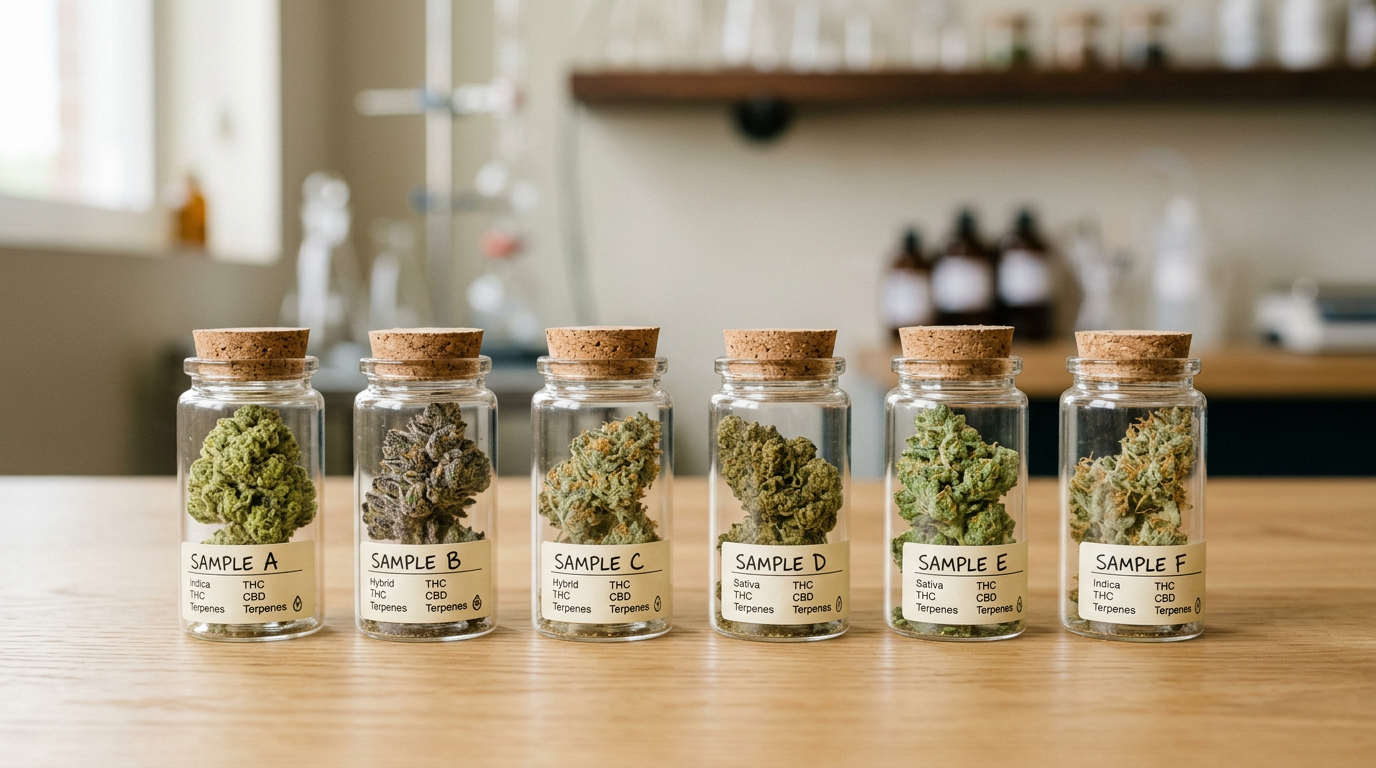
Mental health is an essential part of overall wellbeing. Understanding how different substances affect psychological health can help people make informed decisions.
Cannabis contains several chemical compounds that can influence brain activity. Their effects may vary depending on individual circumstances and exposure.
1. Understanding the Relationship Between Cannabis and Mental Health
Cannabis contains cannabinoids that interact with the body’s endocannabinoid system.
Some of these compounds can influence mood, memory, attention and perception.
However, their effects are not identical for everyone. Factors such as frequency of exposure, individual vulnerability and product composition may influence psychological outcomes.
Research has also identified an association between frequent cannabis use and certain mental health problems.
2. Potential Psychological Effects
Cannabis exposure can affect several aspects of psychological wellbeing.
Some individuals experience anxiety, panic, confusion or changes in perception.
Furthermore, regular exposure to THC-containing cannabis has been associated with an increased risk of psychosis in some people.
Other potential concerns include difficulties with concentration, memory and everyday responsibilities.
People with existing mental health concerns should seek professional medical advice before considering cannabis-based treatments.
3. Where to Find Reliable Mental Health Support
Recognising psychological difficulties early can make accessing appropriate support easier.
A GP can provide an initial assessment and recommend suitable healthcare services.
People experiencing severe confusion, hallucinations or immediate risks to themselves or others should seek urgent medical assistance.
Reliable health information is available through recognised organisations such as the NHS.
Conclusion
Understanding the relationship between cannabis and psychological wellbeing is important. Evidence-based information and professional healthcare guidance can support safer decisions.